

INTERSECTIONS 26
Intersections occupies the Mundet Factory, and this choice weighs heavily on the exhibition's discourse. These warehouses preserve the memory of a production governed by repetition – identical gestures paced by the machine, objects designed to be indistinguishable from one another. This industrial memory, still inscribed in the building's atmosphere, is the starting point of the project.
Ultimately, there is something of an assembly line in the way the Western gaze has received African art. Artists from radically different geographies, languages, generations, and backgrounds are frequently lumped together under a single label, as if they came from the same source. This homogenization erases what is essential to any artistic practice: its uniqueness.
Occupying Mundet is, therefore, a deliberate gesture. The factory space functions as a metaphor for the problem that the exhibition seeks to dismantle. If the factory produces in series, Intersections proposes the opposite, to counteract the stereotyping, exoticization, and standardization that have been imposed upon them.
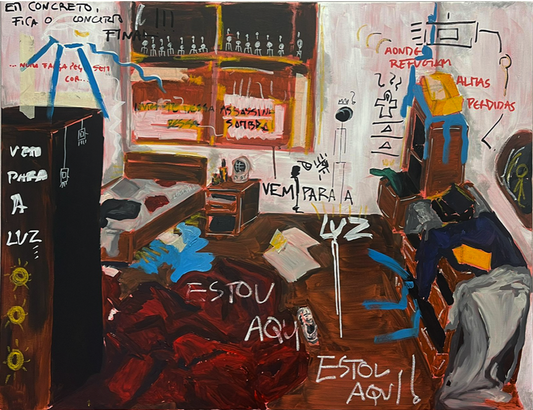
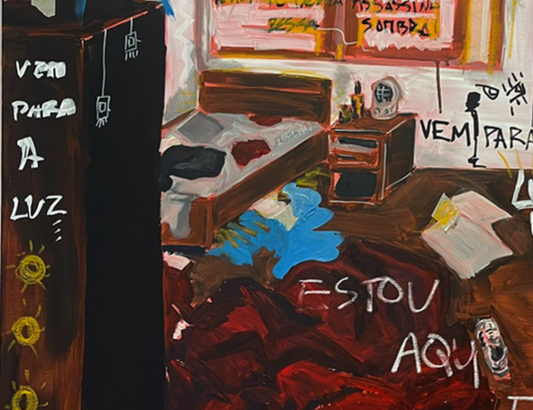
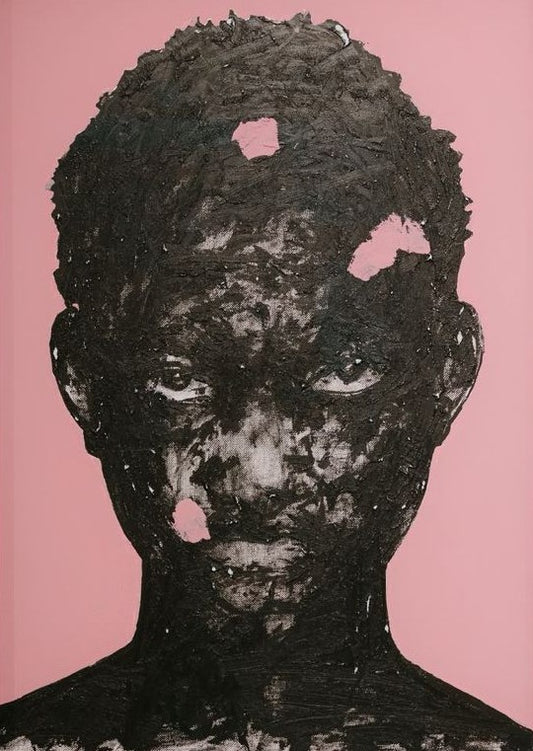
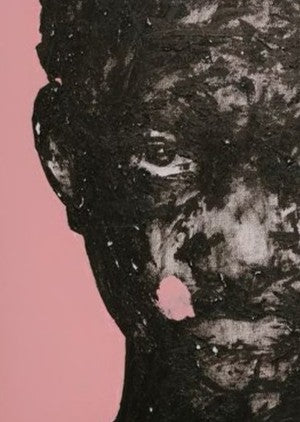
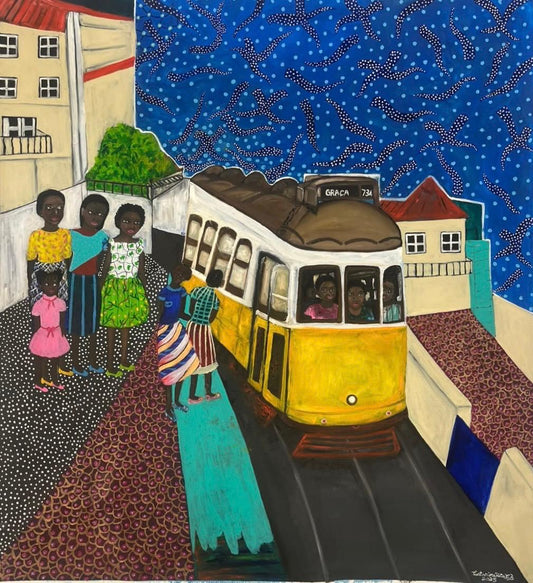
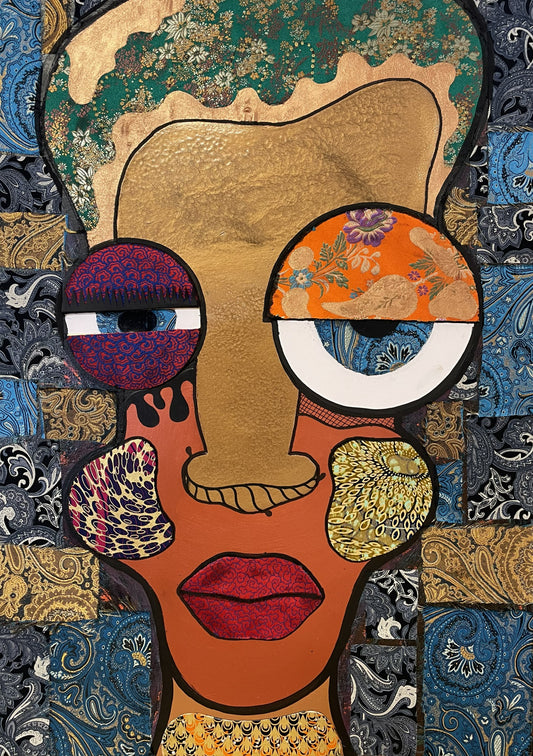
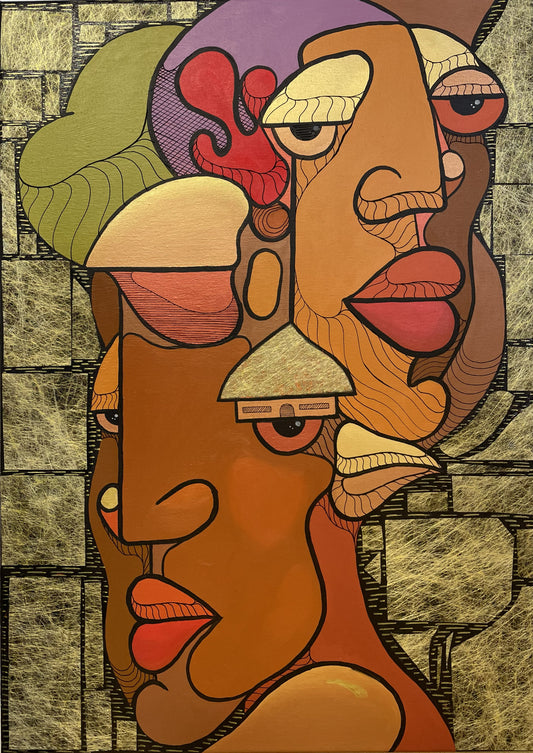
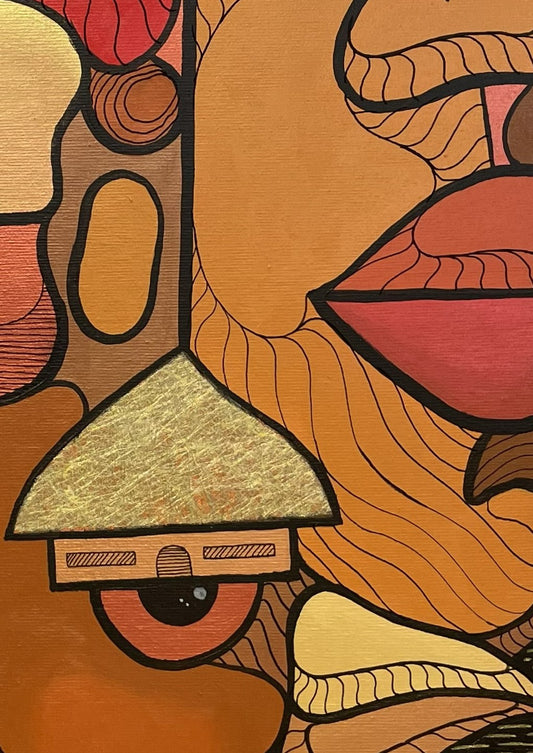
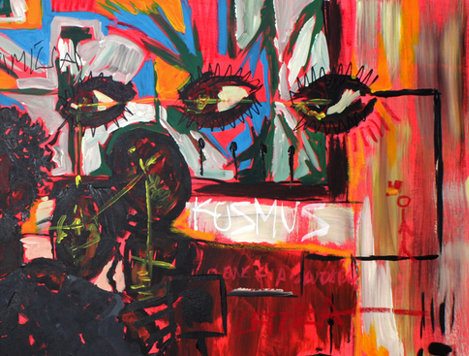
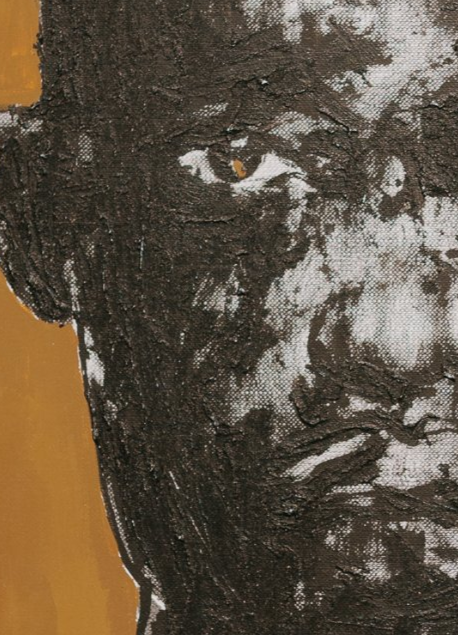
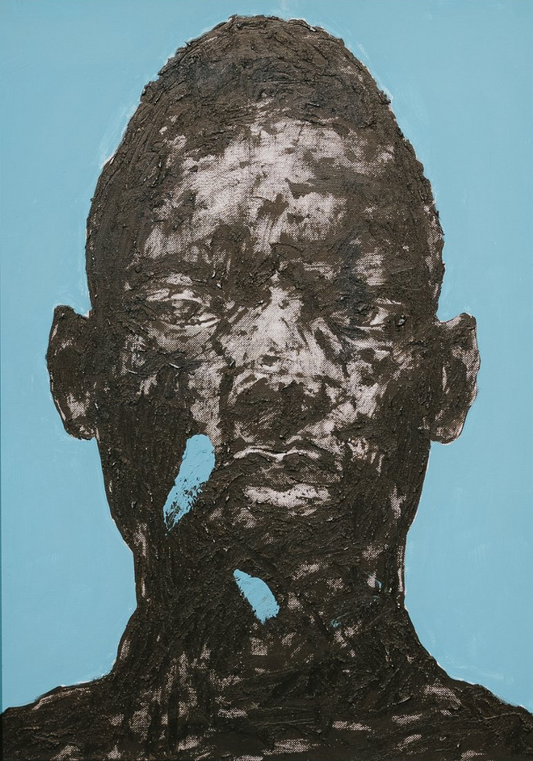
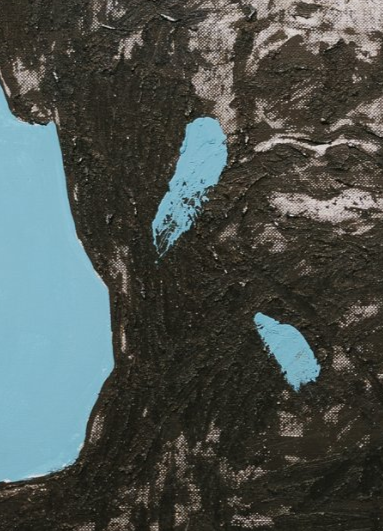
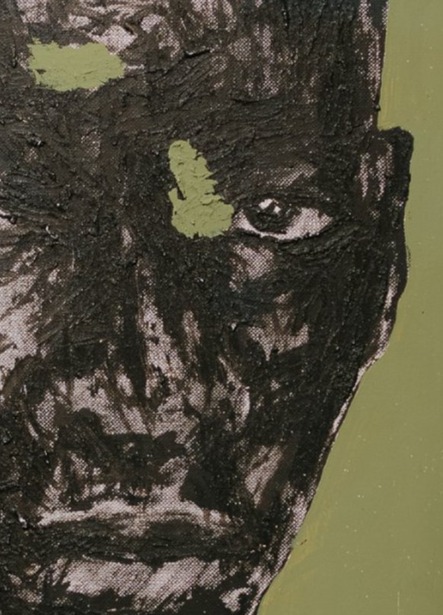
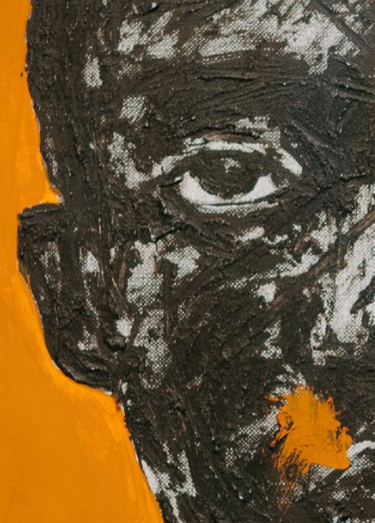
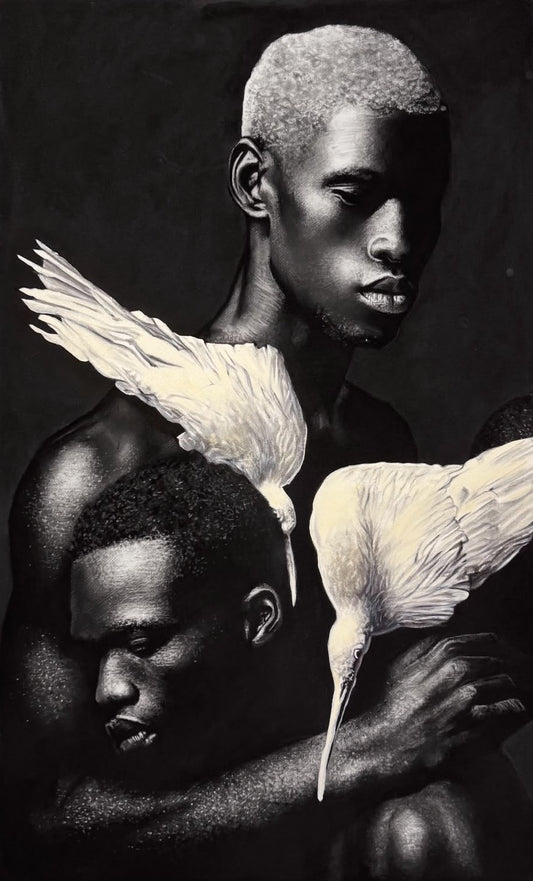
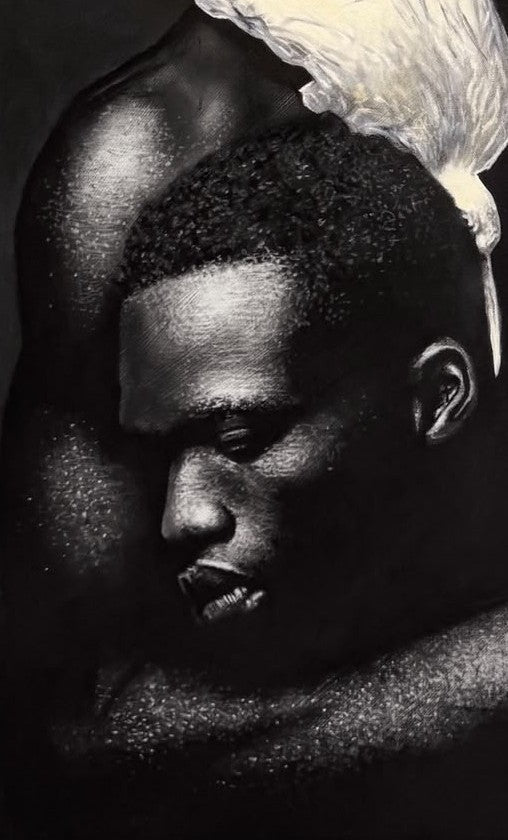
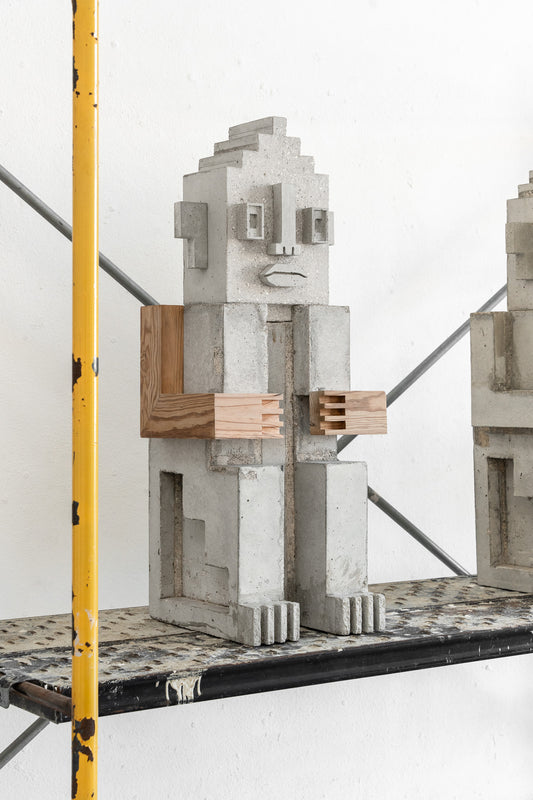
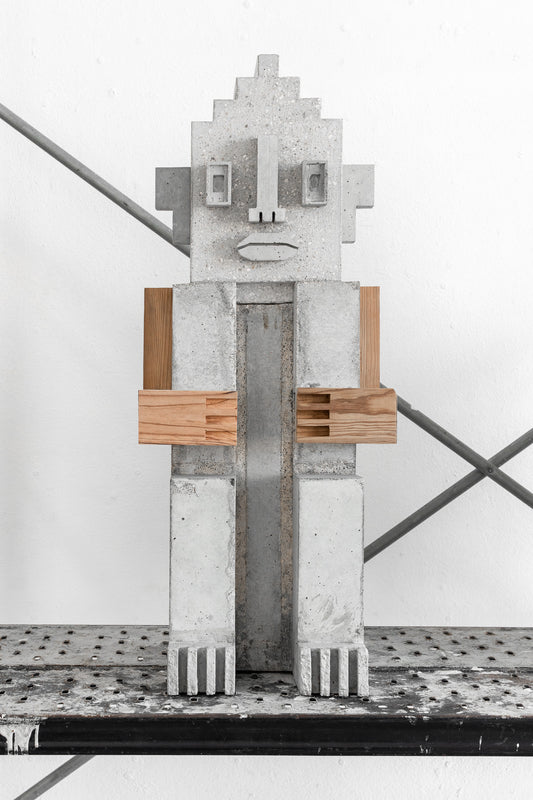
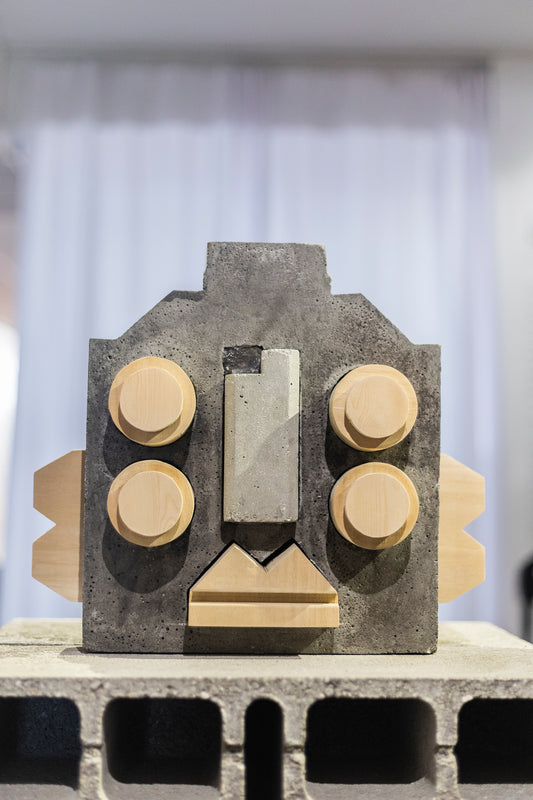
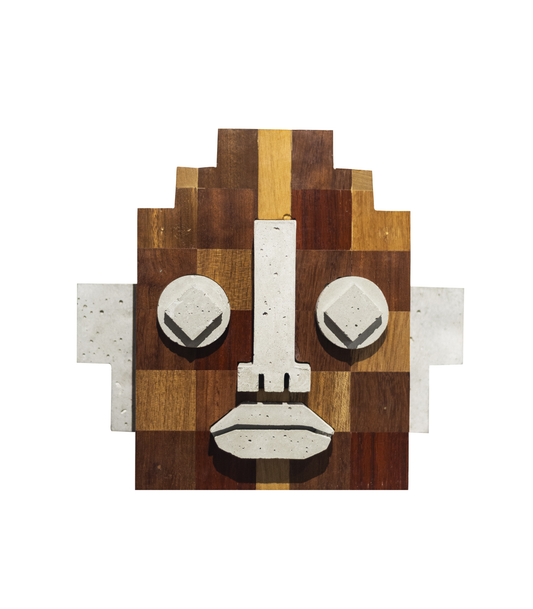
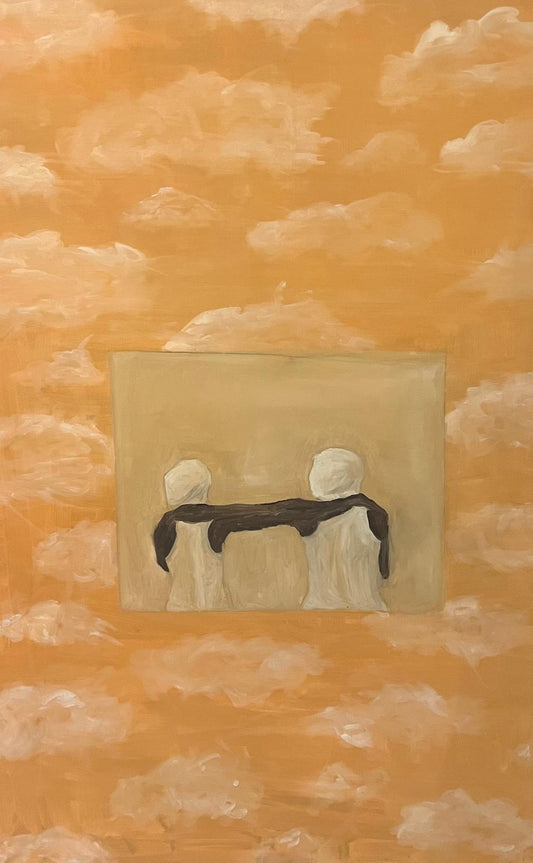
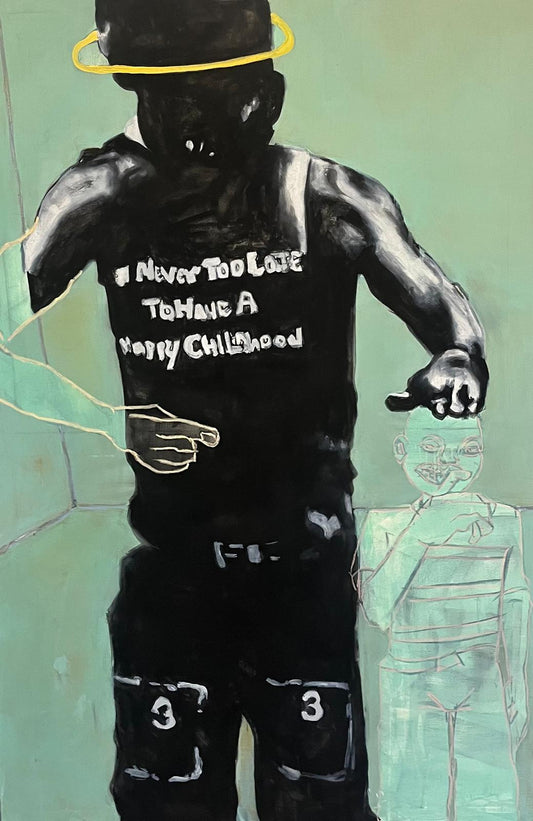
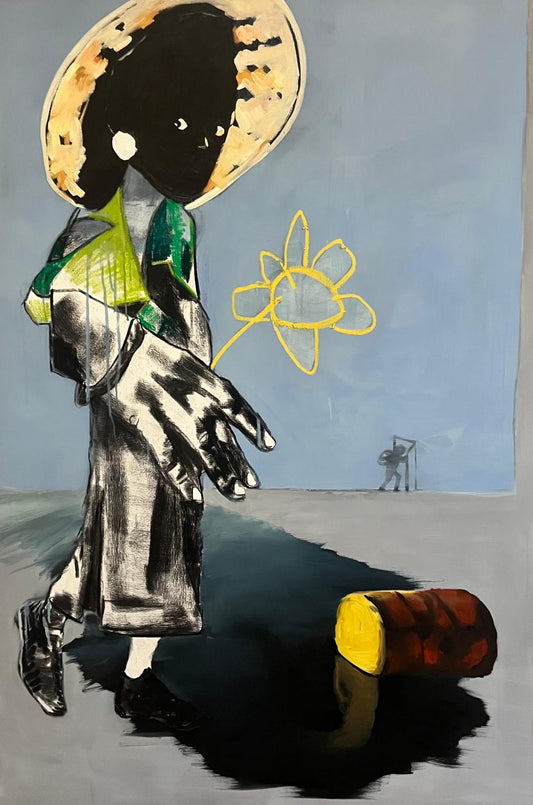
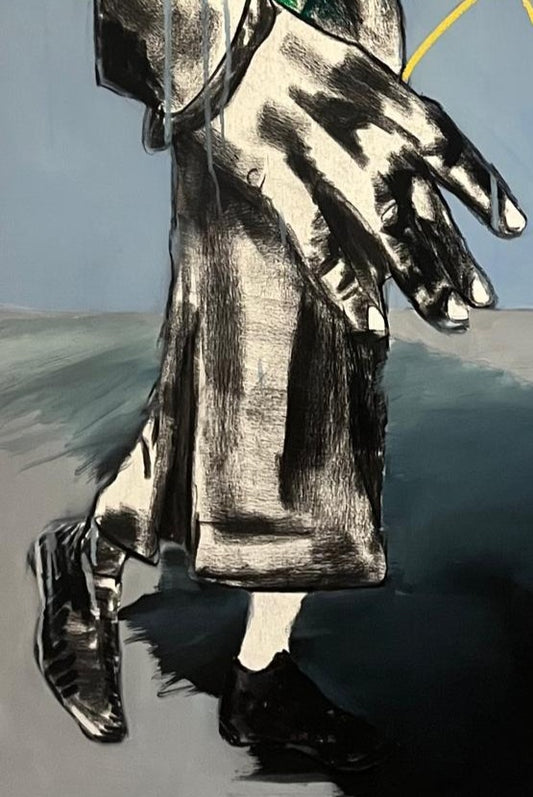
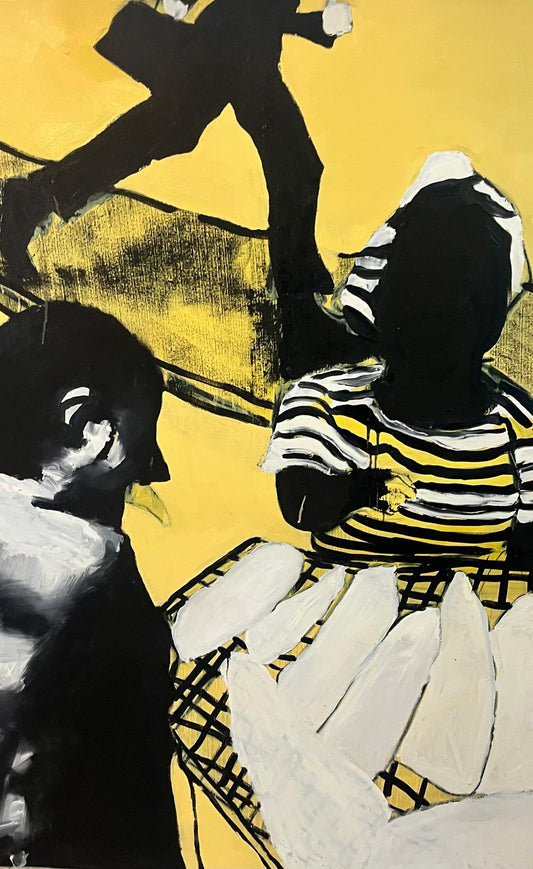
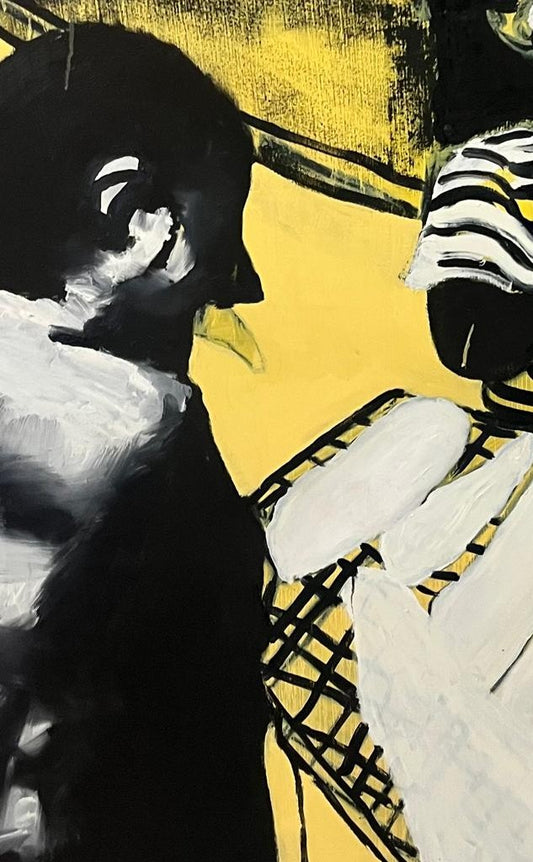
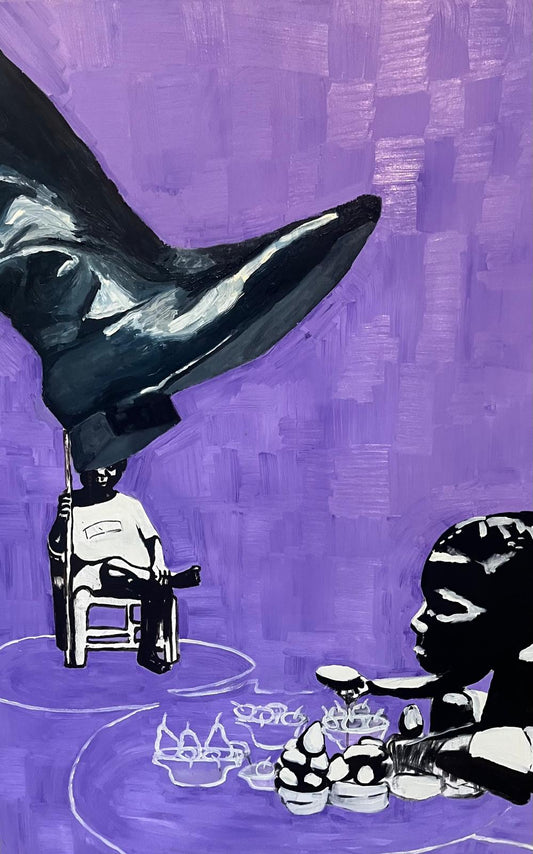
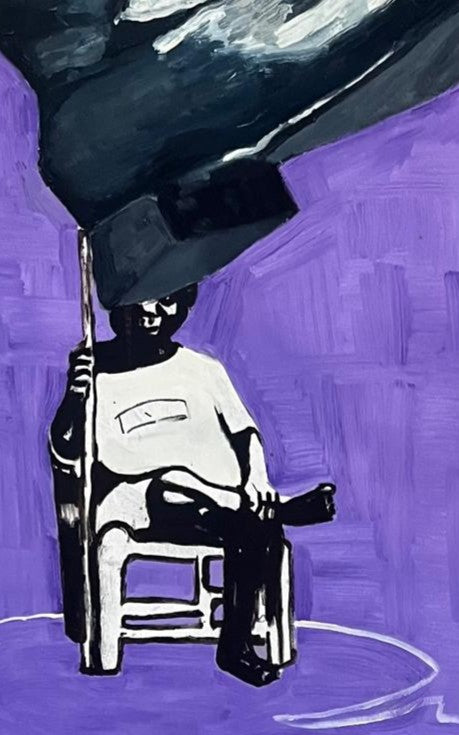
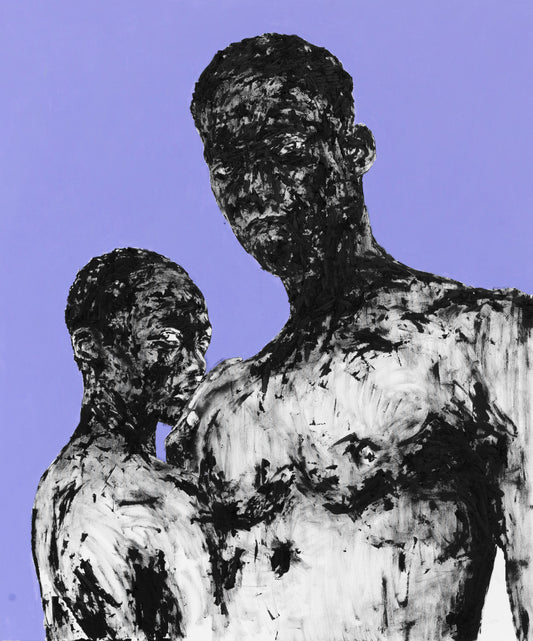
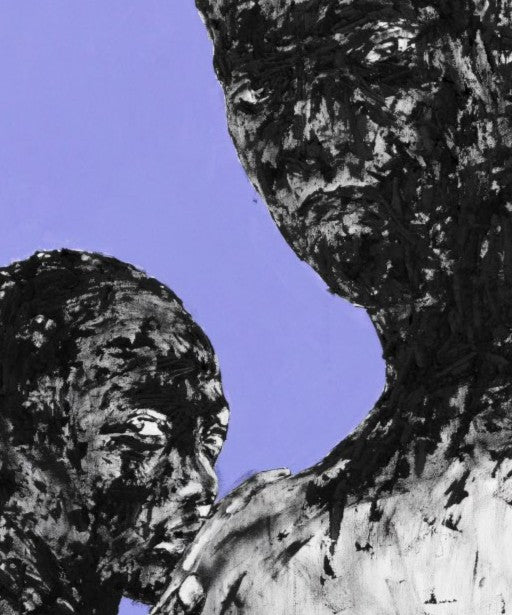
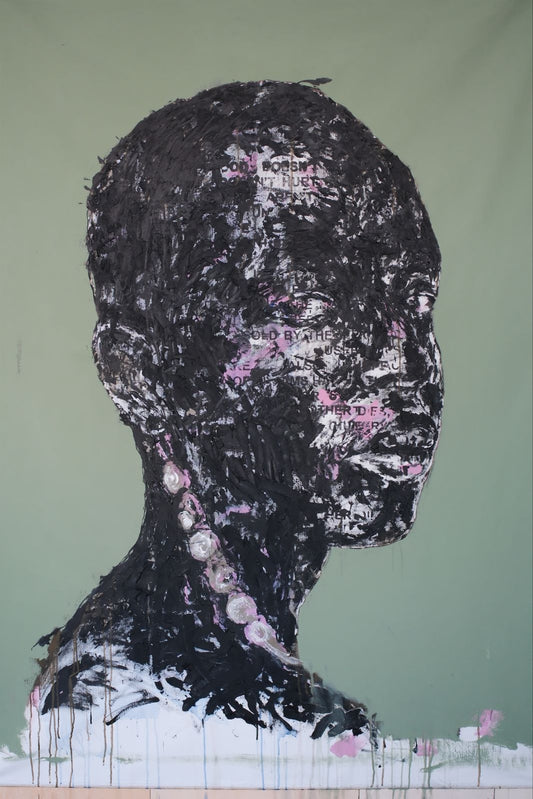
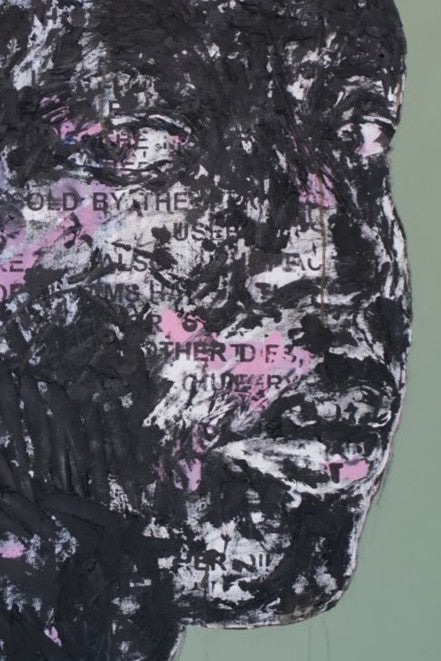
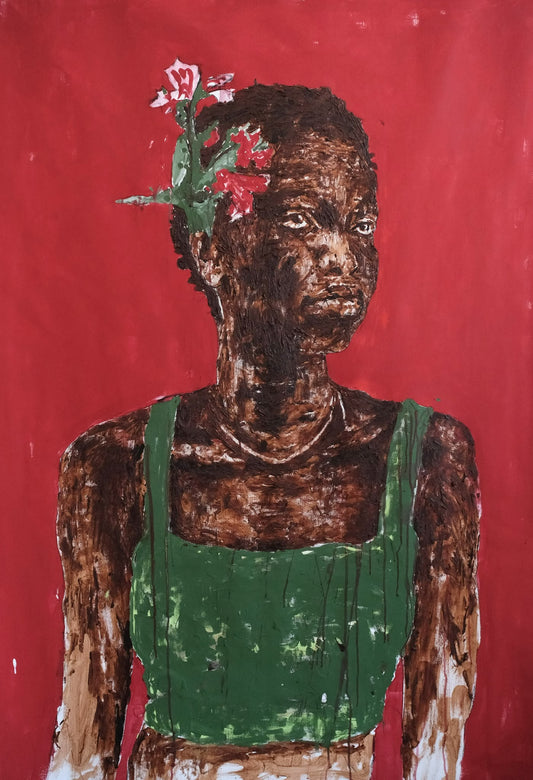
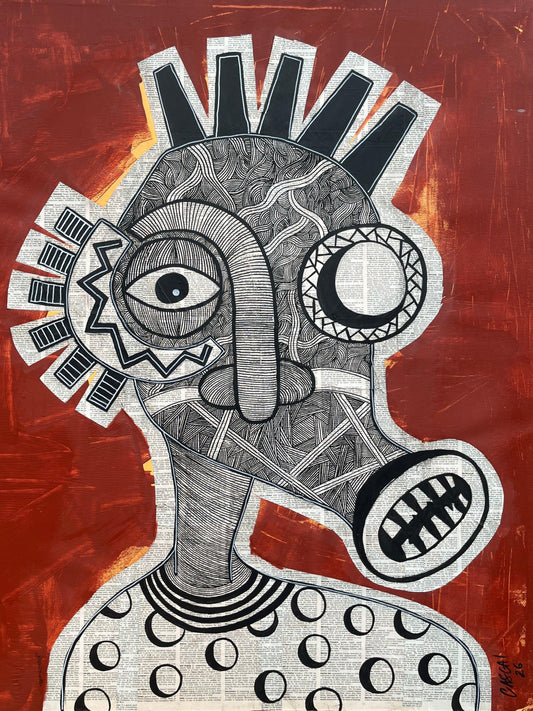
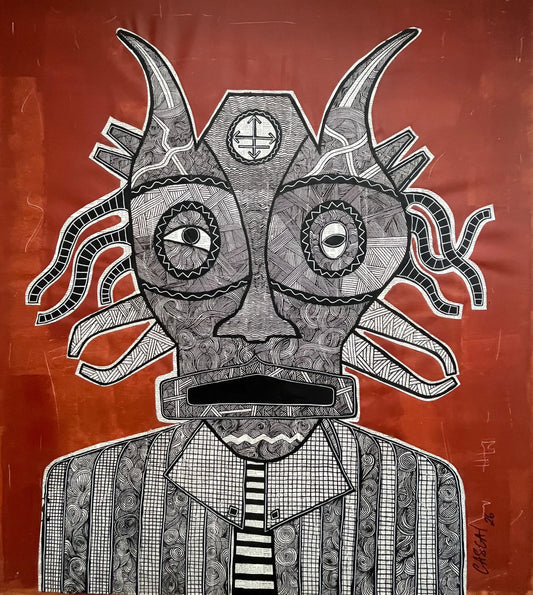
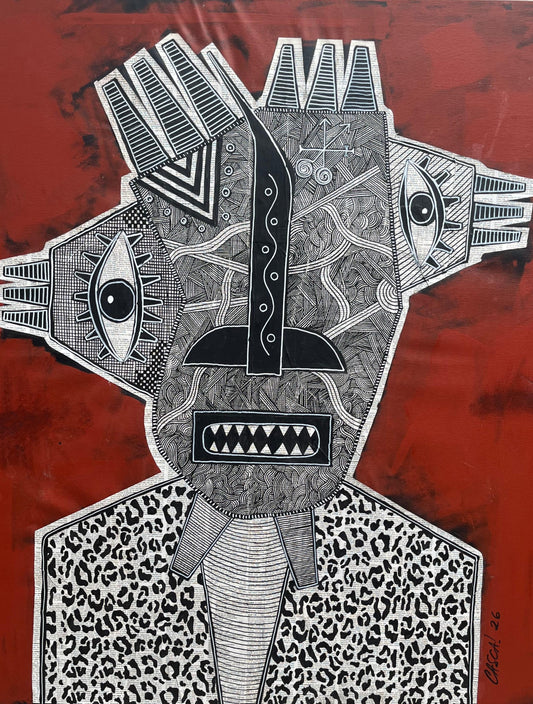
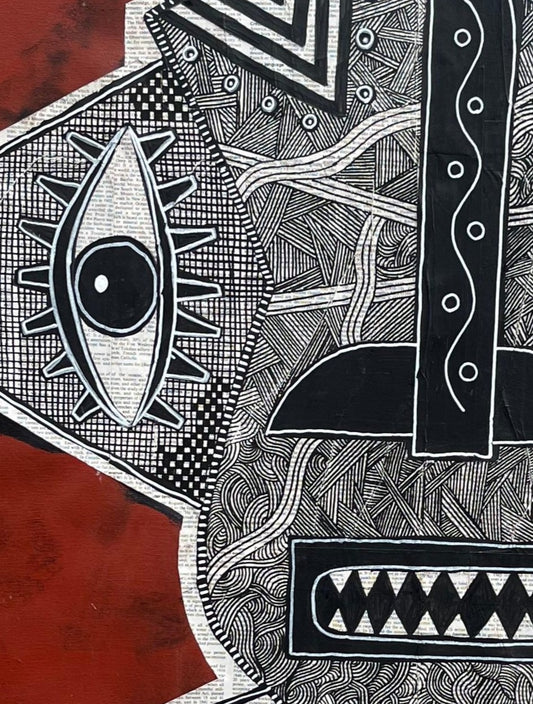
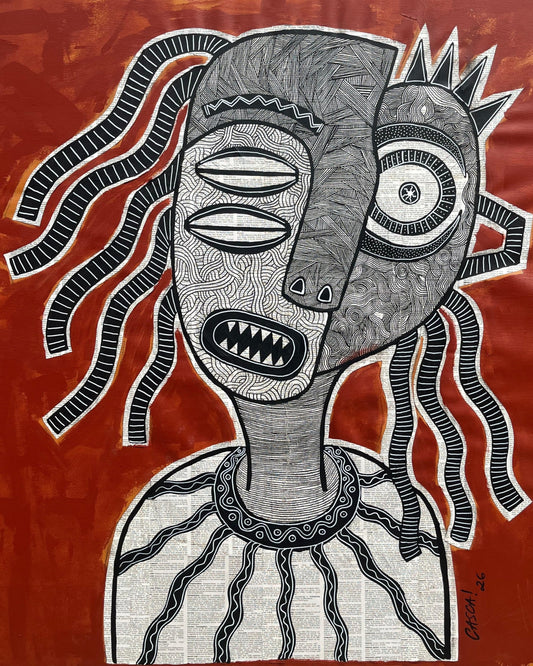
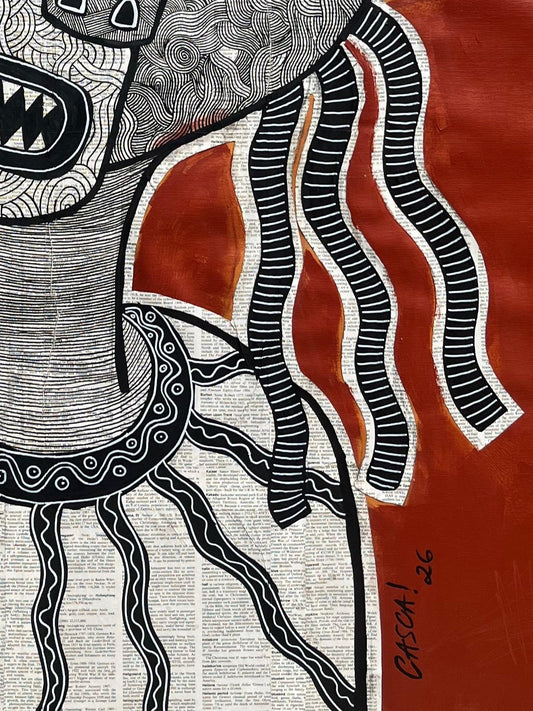
The selection reflects this plurality. On a formal level, the spontaneity of Armanda Alves' abstractionism dialogues with the hyperrealism of Ritchelly, whose compositions, at first glance, resemble photography. On a conceptual level, Blac Dwelle explores racial and identity issues through the motif of the mask, a metaphor for the tension between one's own identity and the socially imposed veil in urban spaces. Márcio Carvalho intervenes in collective memory by deconstructing images and monuments of colonial origin, questioning official historical narratives. This questioning of history and its representation extends to Casca, Osvaldo Ferreira, and Júnior Jacinto, who, through painting, rewrite Western artistic and historical narratives, proposing other possibilities for interpretation. The diversity of approaches is also reflected in the materials: from wrought iron to paper, in Pedro Pires; from acrylic paint to volcanic lava pigments, in Amadeo Carvalho; to the expressionist gesture of Jubas Barreto. The exhibition also provides a platform for emerging voices. Emerson Quinda and Catarina Neto are taking their first steps between São Tomé and Portugal, while Cris Tó Inácio, a young artist with her own unique style, translates the characters and imagery of street art onto the canvas. The exhibition brings together a broad representation of artists from Portuguese-speaking countries, showcasing the most relevant work produced in Cape Verde, Angola, Mozambique, Brazil, São Tomé and Príncipe, and Portugal.
Intersections thus proposes itself as an invitation to break free from boxes and assembly lines. The artists gathered here do not represent a fixed moment in the continent's history, but rather ongoing journeys: memories that reinvent themselves, languages that are experimented with, futures that are rehearsed in the present.
Sort by