


Joël Bigaignon

Mauritius

Painting, Visual Storytelling and Contemporary Portraiture by Joël Bigaignon

African Visual Narratives, Identity and Social Reflection

Fine Art Painting Collectors and Emerging Artists

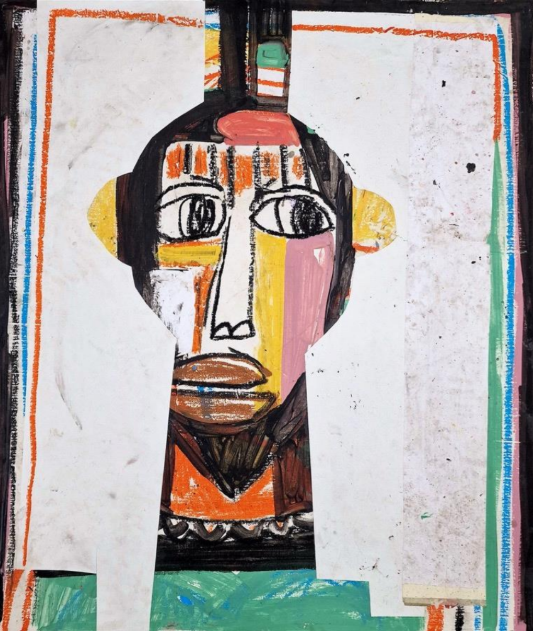
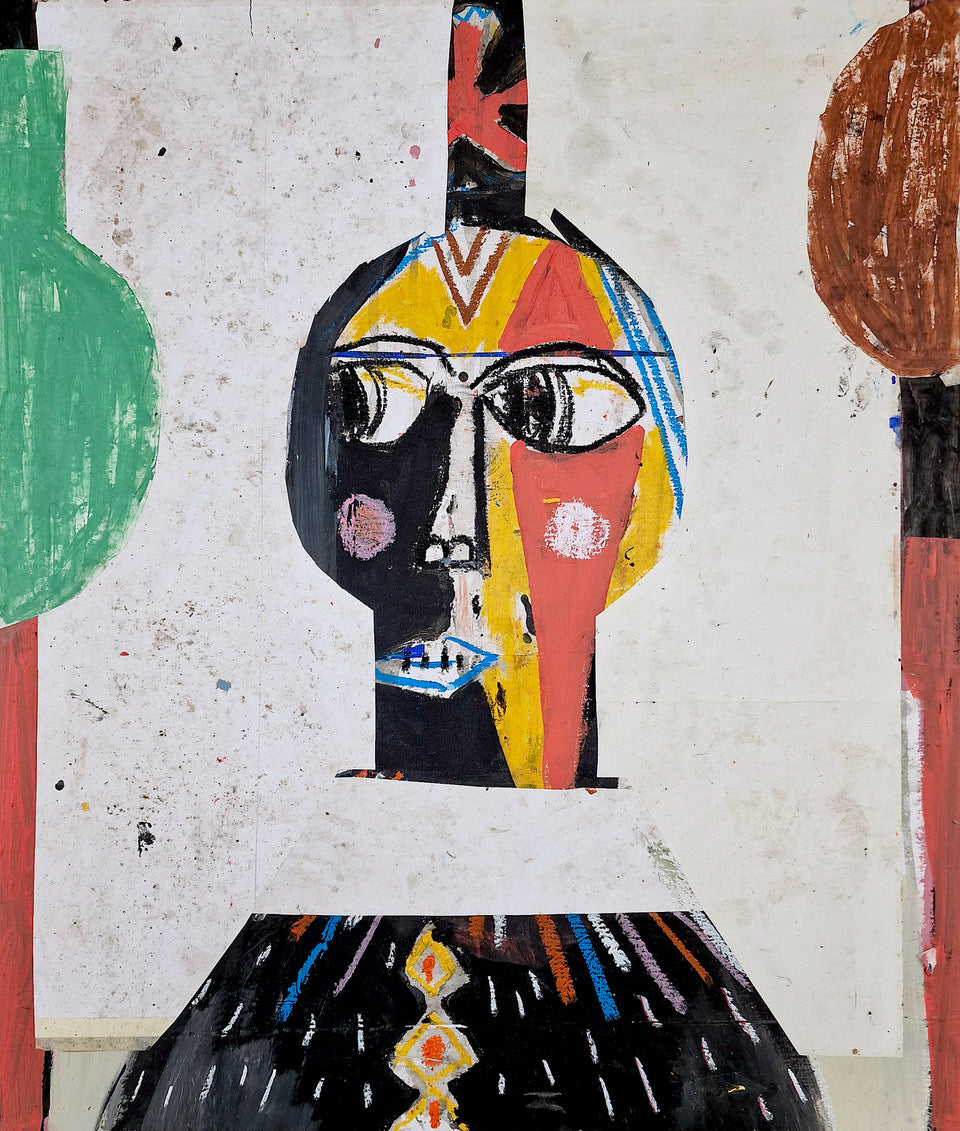
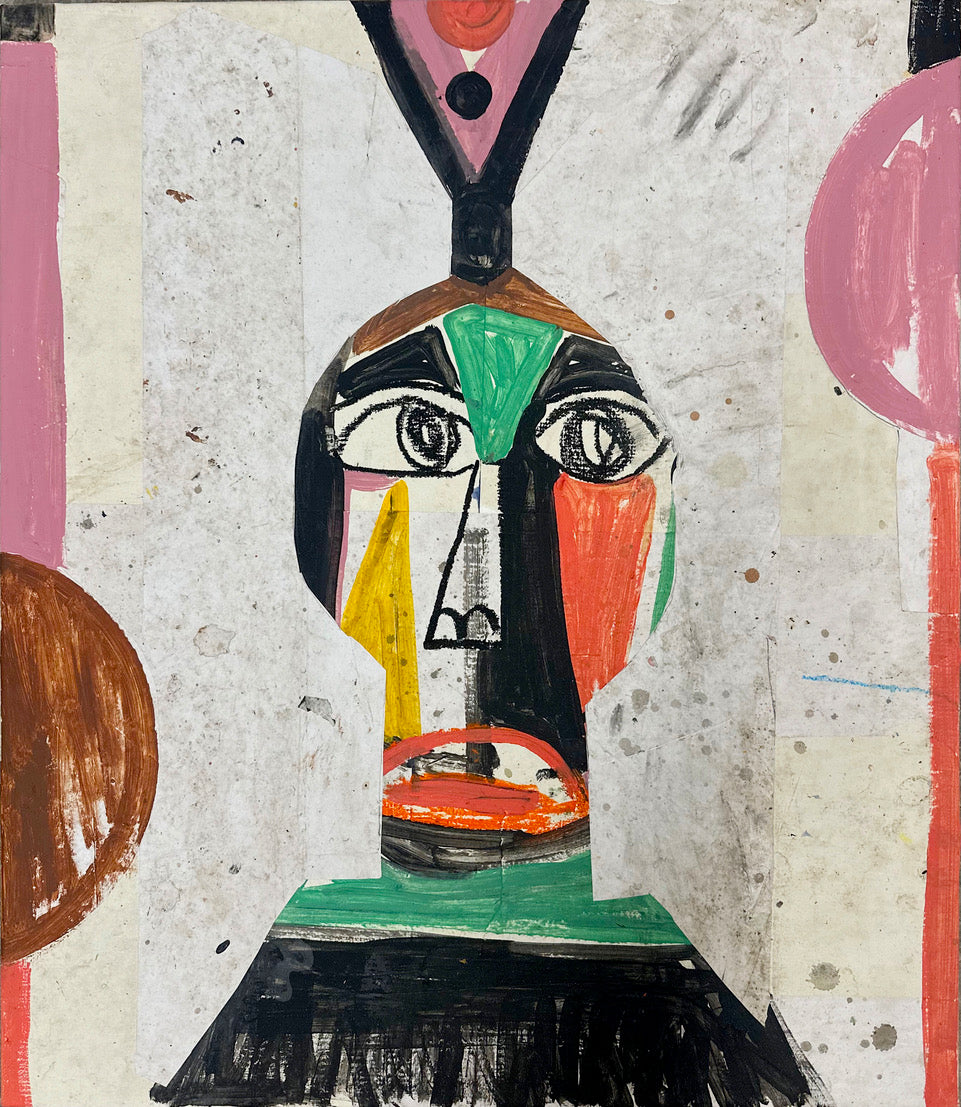
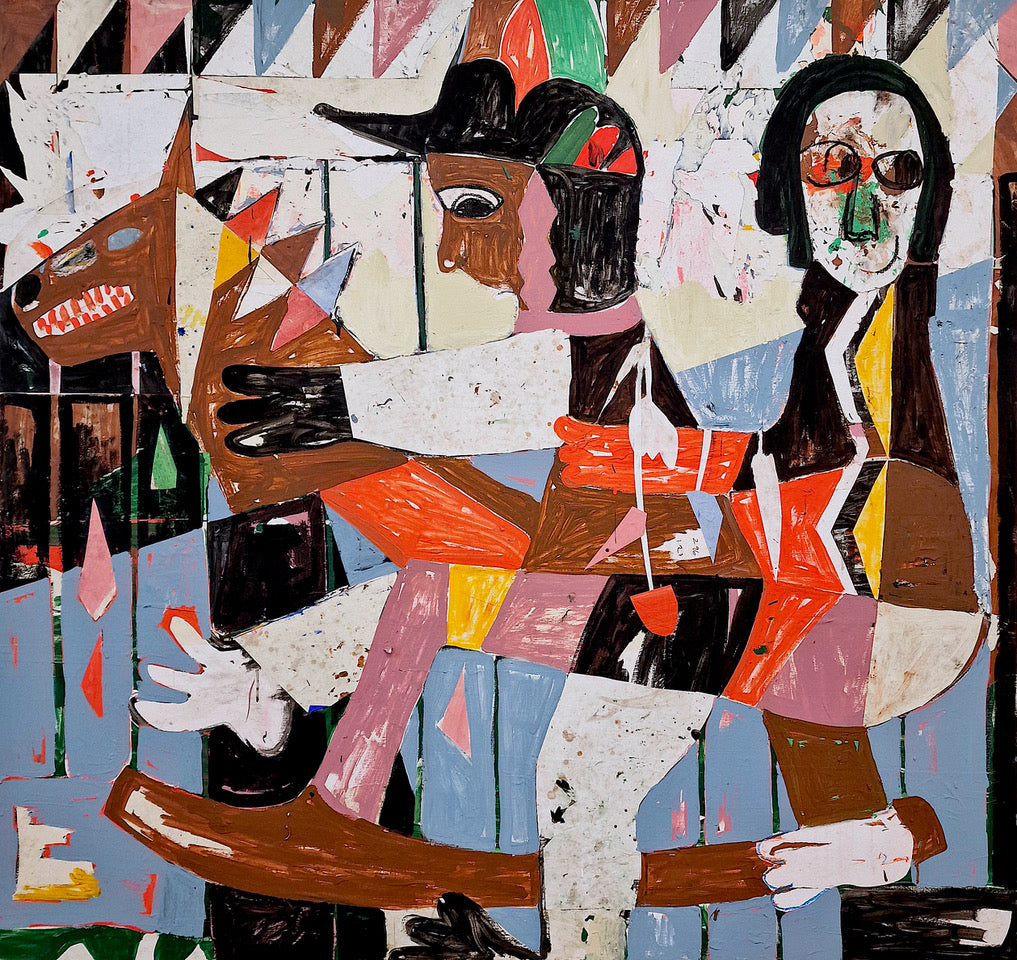
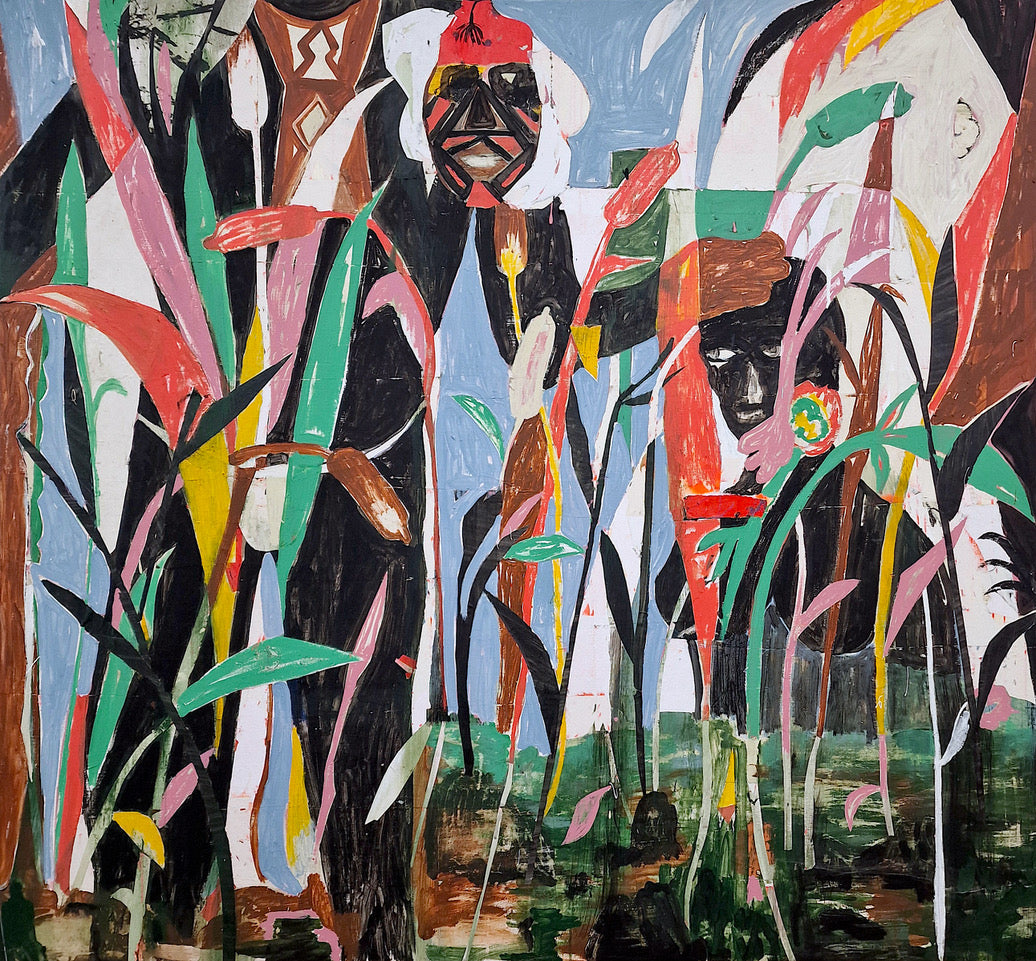
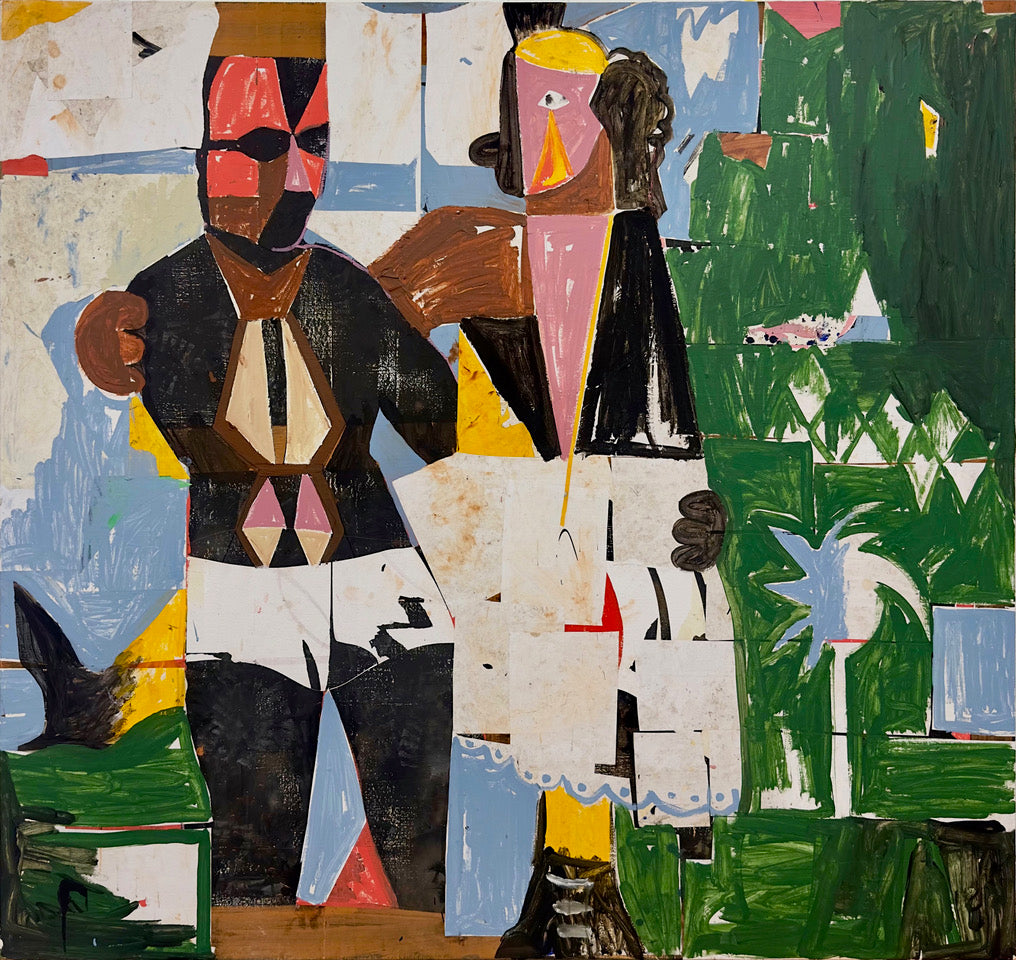
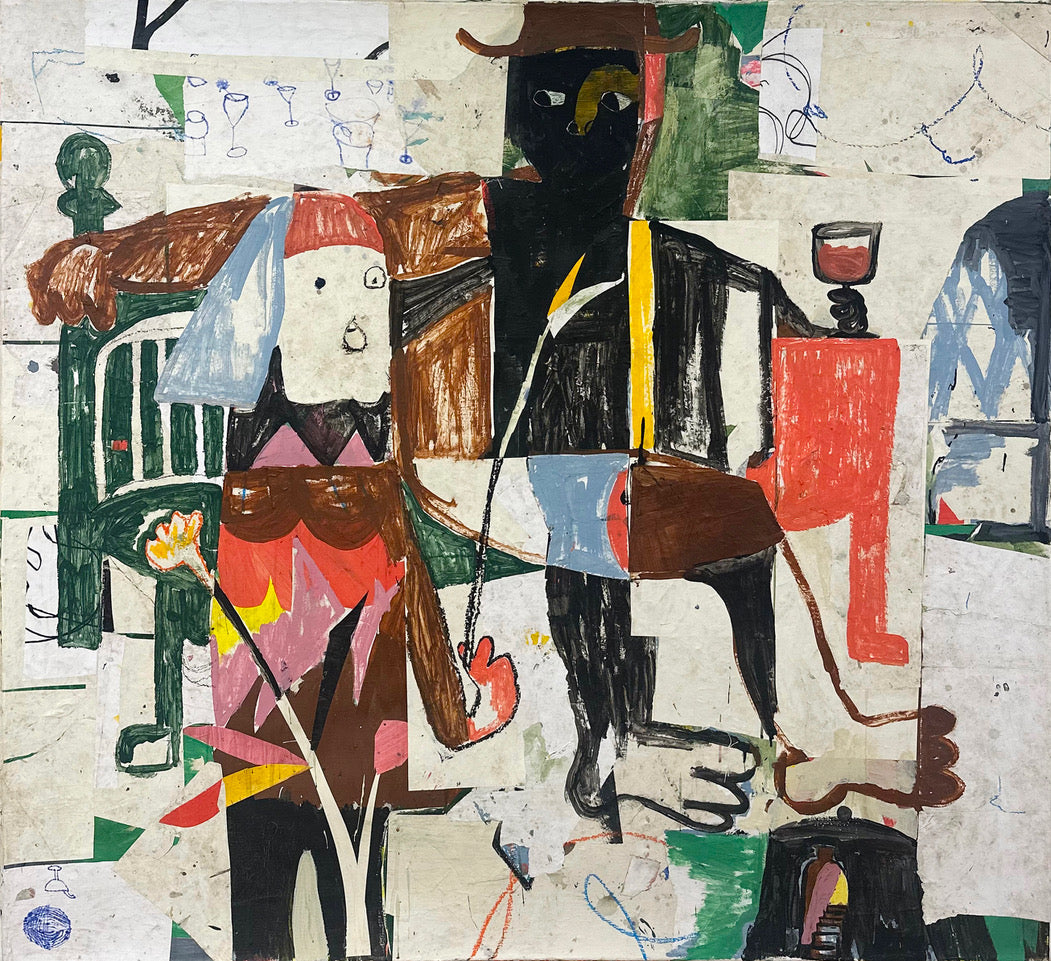
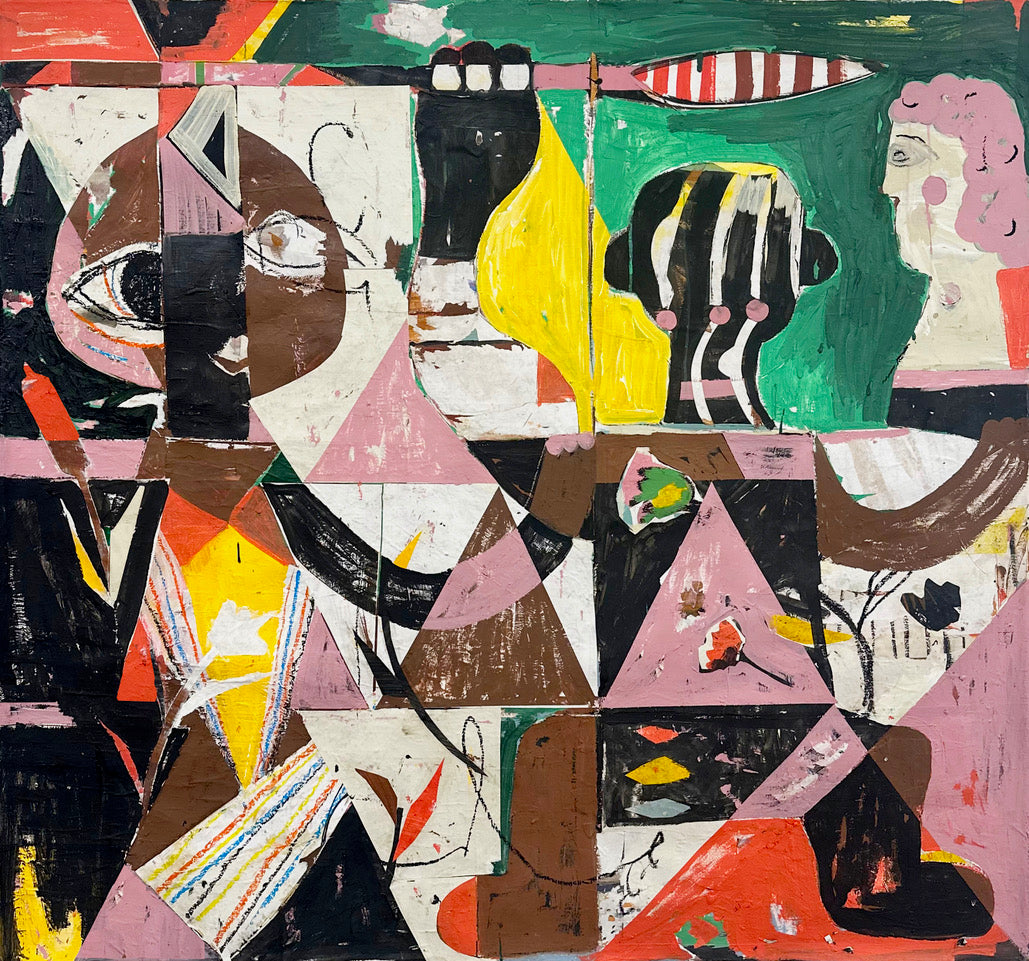
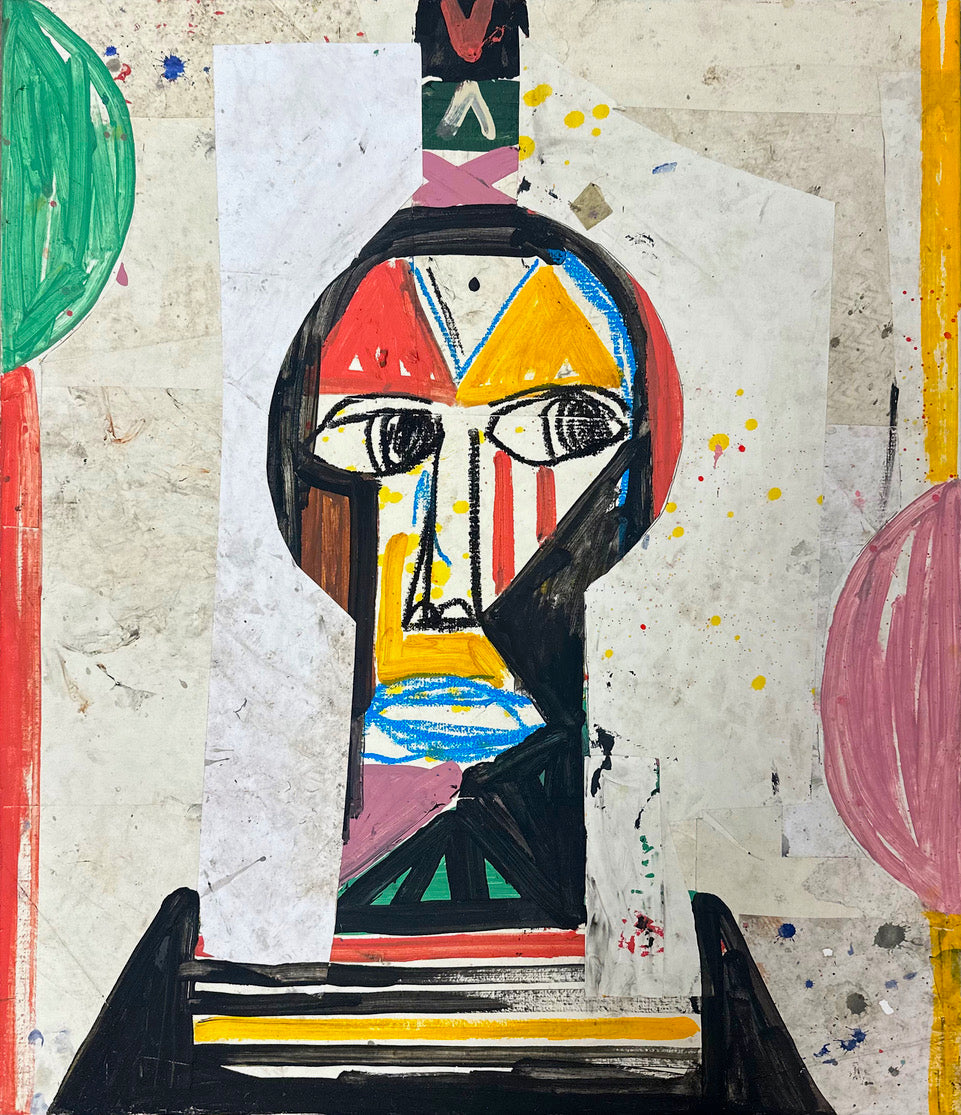
"The work draws on the artist’s Mauritian childhood, engaging themes of ritual, religion, race, and cultural resilience. His use of paper—historically repurposed during cyclone seasons—serves as both method and metaphor. Layered surfaces evoke landscapes shaped by destruction and renewal. Through this material language, the work reflects the emotional and environmental forces that shaped his early life."

MEET

Joël Bigaignon

Joël Bigaignon (b. 1968, Mauritius) is a Copenhagen-based artist whose practice reflects his African, Indian, and European heritage. His work is defined by an inventive material language and a tension between precision and spontaneity. Informed by experiences across Mauritius, France, and Denmark, his art interrogates memory and postcolonial identity. A former graphic designer and art director, he brings a refined visual rigor to his practice. Bigaignon has exhibited internationally at institutions such as Beers London and Kunsthal Charlottenborg.

FROM OUR BLOGUE
Soulful Elegance — Lenny Kravitz as Black Artist & Designer

Most people know Lenny Kravitz as a rock star. Fewer know that he founded a design studio in 2003, has designed interiors across New York, designed a custom piano with Steinway, launched three collections with CB2, collaborated with Ray-Ban and YSL, directed his own music videos, and built a visual identity over five decades that is as deliberate and as African as anything he has ever recorded.

This essay examines Lenny Kravitz as a total creative practitioner — musician, designer, photographer, style icon — and argues that the African dimension of his visual practice has been the engine of everything, consistently underread and consistently present.

Continue Reading
The House That Ancestors Built — Lenny Kravitz & African Art

Lenny Kravitz owns homes in Paris, the Bahamas, Brazil, New York and Miami. The one he talks about most is the Paris townhouse he named after his mother — Hôtel de Roxie. Inside it: a Jean-Michel Basquiat painting standing next to a custom Steinway piano with African carvings. African sculptures next to Warhol lithographs. Photographs of his ancestors framed by the same framer that works for the Louvre.

"This house continually pays tribute to my ancestors," Kravitz told Architectural Digest in April 2025. "All of this photography tells a story throughout the house through Black history, American and African."

This essay examines what Kravitz's collection reveals about the relationship between identity, inheritance and the deliberate act of surrounding yourself with the art of your ancestors.

Continue Reading
Thirty Years Out Loud — What Jay-Z in 8 Actually Reveals

For thirty years, Shawn Carter kept the space between a lyric and its meaning as private property. Part of the pleasure of a Jay-Z verse was always the withholding — the flex, the reference landing half a second late, the boast that turned out to be a confession.

In JAŸ-Z in 8, he sits across a plain table from Rick Rubin in an empty chamber at the Palais Brongniart in Paris and starts doing that math out loud. Eight episodes. Eight albums. Thirty years of lyrics examined song by song, in stark black and white, by one of the most guarded artists in the history of popular music.

This essay examines what the documentary reveals, what it withholds, and why it matters as a document of Black creative authorship at the highest level.

Continue Reading
The Unfinished Man — What Jay-Z Sees in Basquiat

Jean-Michel Basquiat died at 27. Jay-Z is one of the most powerful men in the music and art world. They never met. And yet the conversation between them — across lyrics, collections, Halloween costumes and auction rooms — is one of the most revealing cultural dialogues of the last thirty years.

This essay traces what Jay-Z sees in Basquiat, what Basquiat's ghost sees back, and why the mirror between two Black men who rewrote the rules of worlds that were not built for them matters far beyond the art market.

Continue Reading
The Artist Gets Paid — Swizz Beatz, Alicia Keys & the Royalty Revolution

The art market has a problem it has refused to solve for decades. When a painting sells at auction for millions, the artist receives nothing. The collector profits. The auction house takes its commission. The person who made the work watches from the room.

In 2018, Kerry James Marshall's Past Times sold for $21 million at Sotheby's. Marshall — one of the most significant painters working today — did not see a cent of it.

Swizz Beatz and Alicia Keys have been thinking about this ever since. As musicians, they understand royalties. As collectors of Black art, they understand what the secondary market extracts and who it leaves behind. Their new initiative with Bonhams — The Deans' Choice — gives consignors the option to direct a percentage of the hammer price to the artist. Bonhams will match it.

It is not a complete solution. But in a market that has resisted change for fifty years, it is a beginning.

Continue Reading
Training the Ancestors: How African Artists are Reclaiming AI and Sovereign Datasets

This article explores how African digital artists are moving past the copyright debate to tackle algorithmic bias head-on. By building closed-source, localized AI models trained strictly on specific indigenous textiles, aesthetics, and historical archives, these creators are safeguarding digital sovereignty. The piece also details a massive shift in the 2026 art market, where high-net-worth collectors and museums are now acquiring these "sovereign datasets" as highly valuable, standalone blue-chip digital assets.

Continue Reading

Commision An Artwork
By This Artist

We can arrange and oversee the creation of a new work made specifically for you